TouringInsights Kenya safari planning for Danish speakers starts with straight facts, not sales pitches. Planning a Kenya safari from Denmark can feel like a maze of conflicting advice. English guides assume you already know the parks. Danish operator pages tell you to book but skip the details you actually need.
This guide gives you honest, practical steps. You will find park comparisons, seasonal trade-offs, visa steps, health requirements, and cost ranges you can trust, written in plain language for people who want clarity before they spend money.
What Does TouringInsights Kenya Safari Planning for Danish Speakers Cover?
This guide walks through the best time to go, how many days to plan, which parks fit your interests, flights from Copenhagen, the eTA process, health and insurance basics, typical costs, and how to combine a safari with a beach stay. Read it start to finish, or jump to the section you need most.
What Is the Best Time to Visit Kenya for a Safari?
The short answer is July to October. That is the dry season in the Masai Mara. Grass is low, animals gather at water sources, and the Great Migration herds are usually present. It is also the busiest and most expensive time.
June and November are good shoulder months. You get decent wildlife viewing with fewer crowds. The long rains run from late March to May. Many camps close in April. The short rains arrive in November and December. They rarely ruin a trip. They can make the scenery lush and the light dramatic.
For the Great Migration, timing matters more than the calendar. River crossings at the Mara River are unpredictable. You could watch for a week and see none. You could see two in one afternoon. No operator can guarantee a crossing. Anyone who promises one is selling you hope, not accuracy. For a month by month breakdown of migration timing, see our guide on the best time to visit the Masai Mara.
If your goal is big cats, the dry season is better. Lions and leopards are easier to spot when vegetation is thin. If you care about bird watching or newborn animals, visit in the wet season. Both options are valid. Just know what you are choosing.
How Many Days Should a Kenya Safari Last?
Plan for at least seven days on safari, not counting travel days. This gives you time for three or four parks without rushing. A common structure is three nights in the Masai Mara, two nights in Amboseli, and one or two nights in a third area like Samburu or Lake Nakuru. Add one night in Nairobi on each end for flights.
Five days is possible. You will see wildlife, but you will spend a lot of time in a vehicle. Most first-time visitors wish they had added one more night. Ten to twelve days lets you slow down, take optional walks, and visit the coast afterward.
Here is a rough itinerary comparison:
| Duration | Parks Covered | Pace | Who It Suits |
|---|---|---|---|
| 5 days | 2 parks | Fast, long drives | Short holidays, budget focus |
| 7 days | 3 parks | Balanced | Most first-timers |
| 10+ days | 3-4 parks plus coast options | Relaxed | Families, photographers, coastal add-on |
Where Should I Go: Masai Mara, Amboseli, Samburu, or Laikipia?
Each region offers something different. Do not try to see everything in one trip.
The Masai Mara is the classic safari. Open grasslands, huge herds, and very high predator density, including large numbers of lions and leopards. The Mara ecosystem includes private conservancies like Mara North, Naboisho, and Olare Motorogi. These areas limit vehicle numbers and offer night drives and walking safaris. Your safari fee goes directly to Maasai landowners. That is a real conservation benefit. For more detail, read our complete guide to the Masai Mara.
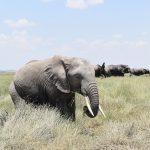
Amboseli is about elephants and views of Mount Kilimanjaro. The park itself is small, but the surrounding community conservancies offer excellent wildlife viewing. The swamps keep animals visible year-round. It is an easy add-on from Nairobi.
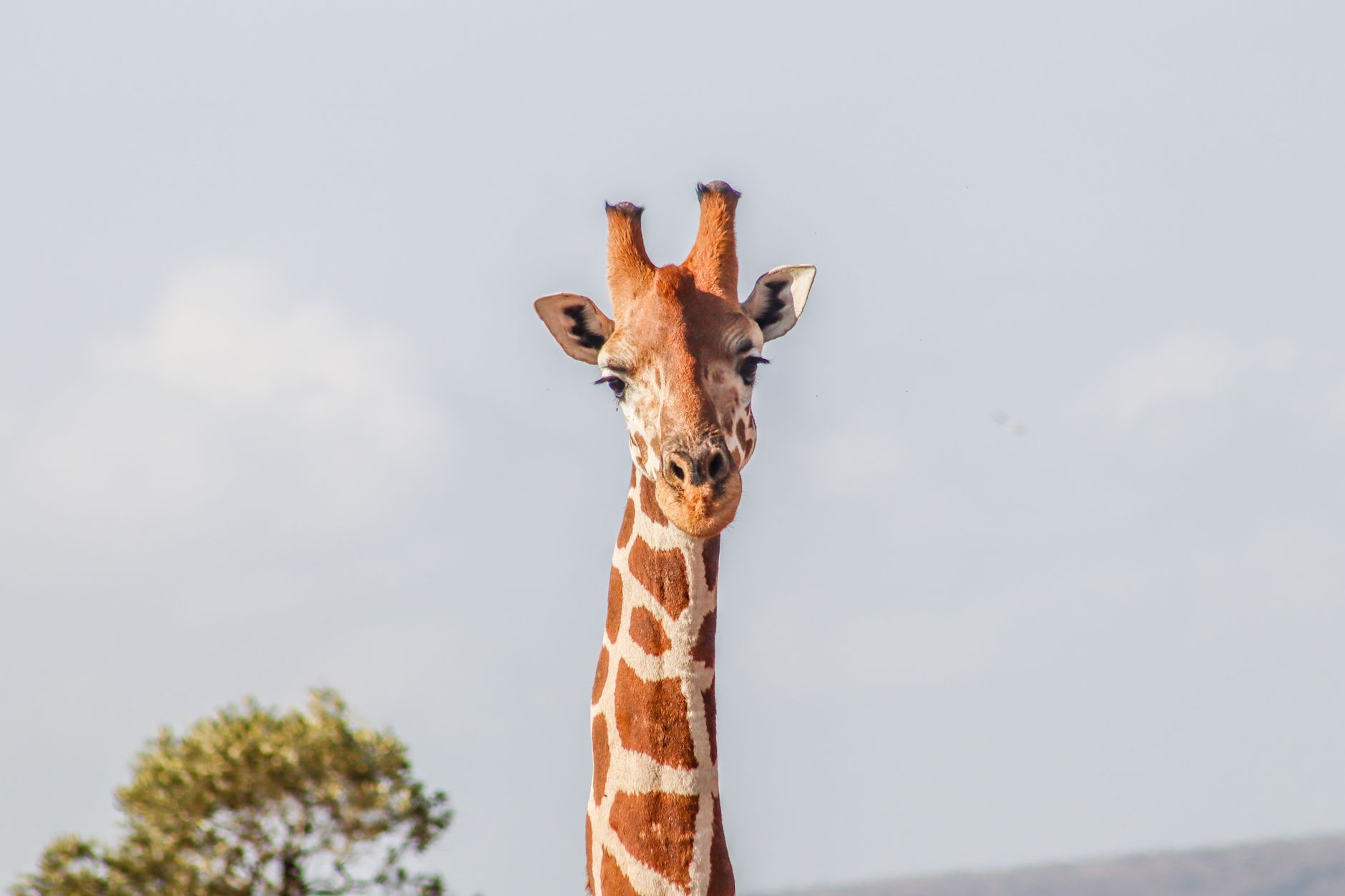
Samburu is drier and more rugged. You will see species found few other places: Grevy’s zebra, reticulated giraffe, Somali ostrich, and the long-necked gerenuk. It feels less crowded than the Mara. It is a good second stop for experienced travelers or anyone tired of open grassland.
Laikipia and the Lewa Wildlife Conservancy are private and exclusive. This is the luxury end of Kenyan safaris. You get rhino tracking, wild dog sightings, and very few vehicles. It costs more, but the experience is genuinely different from the national parks.
What Is the Difference Between Masai Mara and Amboseli?
The Mara is bigger, grassier, and famous for the Migration and big cats. Amboseli is drier, smaller, and famous for elephants and Kilimanjaro views. The Mara has more lodges and more visitors. Amboseli has fewer predators but larger elephant herds.
If you can only visit one park, choose the Mara for overall wildlife density. If you are on a shorter trip and want an easy two-hour flight from Nairobi with reliable elephant sightings, choose Amboseli.
How Do I Get from Denmark to Kenya?
There are no direct flights from Copenhagen to Nairobi. You will connect through a European hub. Common options include Amsterdam with KLM, Paris with Air France, London with British Airways, or Doha with Qatar Airways. Total travel time is roughly 10 to 12 hours in the air, plus a stop.
Once in Nairobi, most safaris start with a flight to a small airstrip or a road transfer. Domestic charter flights save time. A flight from Nairobi to the Masai Mara takes about 45 minutes. Road transfers take five to six hours with a stop. Budget for domestic flights if your time is limited.
Do Danish Citizens Need a Visa or eTA for Kenya?
Yes. Since January 2024, Kenya has used an electronic travel authorization called the eTA. Danish citizens must apply online before traveling, through the official eCitizen portal. The eTA carries a processing fee. The exact amount can change over time. Confirm the current fee on the eCitizen portal before you apply, rather than relying on any figure quoted elsewhere.
Apply at least two weeks before departure. The system can be slow. Upload your passport scan, a recent photo, and your confirmed flight details. You do not need a physical visa sticker. The eTA is linked to your passport number. Show it on arrival.
Which Vaccinations Do I Need Before a Kenya Safari?
You need a yellow fever vaccination if you are arriving from a country with risk of yellow fever. Denmark is not on that list, so this applies only if you stop in another African country before Kenya. Check your itinerary.
Recommended vaccinations for all travelers include:
- Tetanus, diphtheria, and polio
- Hepatitis A
- Typhoid
- Yellow fever, required if arriving from risk countries
Malaria is present in Kenya, including most safari areas. The Masai Mara and Amboseli are at altitude, so malaria risk is lower but not zero. Talk to your doctor in Denmark at least six weeks before travel. They may prescribe tablets like Malarone or doxycycline.
Also carry a good insect repellent with DEET. Use it at dawn and dusk.
What Travel Insurance Is Required for Kenya?
Kenya’s entry rules have, at times, referenced a minimum level of medical coverage for visitors. These rules can change. You may not be asked to show proof at the airport. Confirm the current requirement on the eCitizen portal or with the Kenyan embassy before you travel, rather than assuming a fixed figure.
Regardless of the official rule, do not travel without solid medical insurance. Check whether your existing Danish policy covers medical evacuation and hospital care abroad. If you are unsure, buy a separate policy for the trip.
This insurance is not mainly about lost luggage. It is about medical evacuation and hospital care. A helicopter evacuation from a remote camp can be very expensive. Do not skip this.
What Should I Expect to Pay for a Kenya Safari?
Safari prices vary more than almost any other travel product. Budget trips can run a few hundred dollars per person per night, while top-end camps can run well over a thousand. The main drivers are camp location, season, and whether park fees are included.
| Safari Type | Price Per Person Per Night (indicative) | What You Get |
|---|---|---|
| Budget camping | USD 150-250 | Basic tents, shared facilities, road transfers |
| Mid-range lodge | USD 300-500 | En-suite rooms, private vehicle, all meals |
| Luxury conservancy | USD 700-1,200 | Private conservancy, off-road driving, premium service |
| Ultra-luxury | USD 1,500+ | Private guides, helicopters, exclusive use camps |
Park fees are separate and paid in cash or by card. Non-resident fees are roughly USD 70-100 per person per day for national parks. Conservancy fees range from roughly USD 100 to USD 150 per day. These fees are not negotiable and go toward conservation and community funds.
The Masai Mara Reserve works differently. It is not a national park and is not run by Kenya Wildlife Service. Narok County Government sets its own conservation fee, and that fee is seasonal: roughly USD 100 per adult per day from January through June, and roughly USD 200 per adult per day from July through December, when migration demand is highest. If you plan to visit the Mara in peak season, budget for the higher end.
For a more detailed breakdown, see our Kenya safari cost guide.
Should I Do a Group Safari or a Private Safari?
Private safaris cost more but give you control. You set the pace, choose the stops, and keep your vehicle to your family or friends. You also get a vehicle with a pop-up roof, which matters for game viewing.
Group safaris reduce costs by sharing a vehicle and guide. You save money but lose flexibility. If you are traveling alone or as a couple, ask about joining a small group. Many companies offer fixed-departure group safaris. These are a good middle ground.
For a first-time visitor, a private vehicle is usually worth the extra cost. You will not waste time waiting for other people.
What Should I Pack for a Kenyan Safari?
Pack light. Most camps have laundry services. You need:
- Neutral-colored clothing, such as khaki, olive, or beige
- Long trousers and long sleeves for evenings
- A warm fleece or jacket for early morning drives
- Comfortable walking shoes
- Binoculars
- Sunscreen and sunglasses
- A headlamp or torch
- A reusable water bottle
Leave bright colors and camouflage at home. Camouflage clothing is restricted for civilians in Kenya. See our full packing list for details.
Is It Safe to Travel on Safari in Kenya?
Kenya is generally safe for tourists who follow standard precautions. The safari areas see heavy tourist traffic and tourism is a major industry there. The main risks are not crime but road accidents and wildlife incidents. Always follow your guide’s instructions. Do not stand up in an open vehicle near predators. Do not walk outside camp after dark.
In Nairobi, use hotel taxis for evening travel. Do not walk alone at night in the city center. Use common sense, and your trip should go smoothly. Many Danish travelers visit Kenya safely every year.
Can I Combine a Safari with a Beach Holiday?
Yes, and it is a popular choice. The Kenyan coast has beautiful beaches at Diani, Watamu, and Malindi. After a week in the bush, a few days on the Indian Ocean is a good contrast.
Diani Beach is the most popular beach destination. White sand, clear water, and good accommodation options. You can fly from Nairobi or the Masai Mara to Mombasa or Ukunda. Internal flights take about one hour.
A typical combined trip is seven days on safari and four days on the coast. That gives you a balanced holiday without feeling rushed. See our Diani Beach guide for recommendations.
Which Parks Have the Big Five?
The Big Five are lion, leopard, elephant, buffalo, and rhino. You can see all five in Kenya, but not everywhere. The Masai Mara has lions, leopards, elephants, and buffalo. Rhinos are present but rarely seen due to the open grassland.
Lake Nakuru National Park and Ol Pejeta Conservancy are the best places for rhinos. Ol Pejeta also hosts the last two northern white rhinos on Earth, though they are not able to reproduce naturally. For a strong chance at rhino sightings, add a night at Ol Pejeta or Lake Nakuru.
What Should You Do Next to Compare Safari Operators?
Kenya safari planning involves many decisions: season, parks, budget, and logistics. Once you have a rough plan in mind, compare safari operators before you commit any money.
TouringInsights is an editorial guide, not a safari operator. We do not sell tours or itineraries. Instead, compare packages, prices, and reviews across a few trusted booking platforms. FindMySafari lists a wide range of Kenya itineraries from vetted operators. Valley Safaris specializes in Kenya and East Africa trips with local expertise. Trunktrails Safaris focuses on responsible and community-based travel.
Browse packages on these sites, compare prices and reviews, and ask detailed questions before you pay.
Where Can You Find More Safari Planning Resources?
- Kenya wildlife tours from Trunktrails Safaris
- Interactive Maasai Mara map from Valley Safaris
- Diani Beach guide on FindMySafari
- Masai Mara Great Migration guide from Trunktrails Safaris